

Oxygen Sensor: What It Does, Symptoms & How to Test It
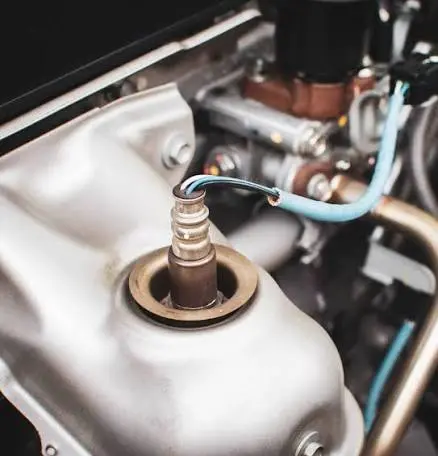
Oxygen Sensor: What It Is, What It Does, and How to Check for Proper Operation
Your car's engine depends on several components working together to deliver reliable performance, good fuel economy, and controlled emissions. One small but important component in this system is the oxygen sensor, commonly known as the O2 sensor.
Although it may not receive as much attention as the engine, transmission, or battery, the oxygen sensor plays a major role in how efficiently your vehicle runs. It monitors oxygen levels in the exhaust and sends information to the engine control module (ECM), helping the vehicle maintain the correct air-fuel mixture.
When an oxygen sensor begins to malfunction, you may notice reduced fuel economy, rough engine performance, increased emissions, or an illuminated Check Engine light.
So, what exactly does an oxygen sensor do? Where is it located? And how can you tell whether it is operating correctly?
This guide explains everything drivers should know about oxygen sensors, including common symptoms, testing methods, and when replacement may be necessary.
What Is an Oxygen Sensor in a Car?
An oxygen sensor is an electronic component installed in your vehicle's exhaust system. Its primary job is to measure the amount of oxygen remaining in the exhaust gases after combustion.
The sensor sends this information to the engine control module, which uses it to evaluate the air-fuel mixture and make adjustments to fuel delivery when necessary.
For gasoline engines, maintaining the correct air-fuel balance is important for efficient combustion. A traditional reference point is approximately 14.7 parts air to one part fuel by mass, although the actual target can vary depending on engine design, operating conditions, and fuel type.
In simple terms, the oxygen sensor helps your engine determine whether it is running too rich or too lean.
- Rich mixture: More fuel is present relative to the available air.
- Lean mixture: More air is present relative to the amount of fuel.
By monitoring exhaust oxygen, the sensor helps the engine management system make the adjustments needed for performance and emissions control.
What Does an Oxygen Sensor Do?
The oxygen sensor has several important responsibilities that contribute to your vehicle's overall operation.
1. Helps Maintain the Correct Air-Fuel Mixture
One of the oxygen sensor's main functions is to provide feedback about the combustion process.
When the engine control module receives information from the upstream oxygen sensor, it can adjust fuel delivery to keep the air-fuel mixture within the desired range.
A properly functioning sensor helps the engine avoid unnecessary rich or lean operation under conditions where closed-loop fuel control is active.
2. Helps Improve Fuel Efficiency
Fuel efficiency depends on several systems working correctly, including fuel delivery, ignition, airflow, and engine management.
If an oxygen sensor provides inaccurate or delayed information, the engine computer may make inappropriate fuel adjustments. Depending on the underlying problem, this can contribute to excessive fuel consumption.
A properly operating oxygen sensor helps the engine management system maintain efficient combustion.
3. Helps Control Vehicle Emissions
Your vehicle's emissions-control system is designed to reduce harmful pollutants released through the exhaust.
The oxygen sensor supports this process by providing information that helps the engine maintain suitable combustion conditions. Downstream oxygen sensors also help the computer monitor catalytic converter performance.
A malfunctioning sensor or a related engine problem can contribute to increased emissions and may cause the vehicle to fail an applicable emissions inspection.
4. Helps Monitor Catalytic Converter Performance
Many modern vehicles use oxygen sensors both before and after the catalytic converter.
The engine computer compares information from these sensors to evaluate how effectively the catalytic converter is operating.
This makes oxygen sensors important not only for fuel management but also for monitoring the exhaust emissions system.
Where Is the Oxygen Sensor Located?
Oxygen sensors are usually installed in the exhaust system. Their exact locations depend on the vehicle's engine and exhaust configuration.
Most modern gasoline vehicles have at least two oxygen sensors associated with a catalytic converter.
Upstream Oxygen Sensor
The upstream oxygen sensor is installed before the catalytic converter, generally in the exhaust manifold or exhaust pipe.
It is commonly called Sensor 1.
Its main responsibility is to provide feedback about the exhaust oxygen level so the engine control module can adjust the air-fuel mixture.
Downstream Oxygen Sensor
The downstream oxygen sensor is installed after the catalytic converter and is commonly called Sensor 2.
Its primary role is to help monitor catalytic converter efficiency by comparing exhaust behavior before and after the converter.
Some vehicles have additional oxygen sensors because they use multiple exhaust banks or catalytic converters.
Important: Bank 1 refers to the side of the engine containing cylinder number one. It does not always mean the driver's side or passenger's side. Sensor numbering and exact locations should be confirmed using vehicle-specific service information.
What Are the Common Signs of a Bad Oxygen Sensor?
An oxygen sensor may gradually lose its ability to provide accurate information. When this happens, your vehicle may display several warning signs.
However, these symptoms can also result from other engine or emissions-system problems. They should be treated as reasons to investigate, not automatic proof that the oxygen sensor needs replacement.
1. Check Engine Light Turns On
One of the most recognizable signs of an oxygen sensor-related problem is an illuminated Check Engine light.
The vehicle's onboard diagnostic system monitors oxygen sensor signals and related circuits. If it detects a problem, it may store a diagnostic trouble code.
Some codes relate directly to sensor circuits, heater performance, or signal response. Others indicate that the engine is running too rich or too lean.
A diagnostic scan is the first step toward understanding the issue.
2. Reduced Fuel Economy
If the engine receives inaccurate oxygen sensor information, fuel delivery may not be adjusted as intended.
This can contribute to increased fuel consumption, especially when the problem affects the upstream sensor and fuel-control system.
If you notice that your vehicle is visiting the fuel pump more frequently than usual, it may be worth checking the engine management system.
3. Rough Idling or Poor Engine Performance
A faulty oxygen sensor or an underlying air-fuel mixture problem may contribute to an unstable idle, hesitation, or inconsistent engine response.
You may notice that the engine feels less smooth when the vehicle is stopped or that acceleration does not feel as responsive as usual.
4. Increased Exhaust Emissions
An improperly controlled air-fuel mixture can affect the amount of pollutants produced by the engine.
If the oxygen sensor or another emissions-related component is malfunctioning, your vehicle may produce higher emissions and fail an emissions test.
5. Failed


