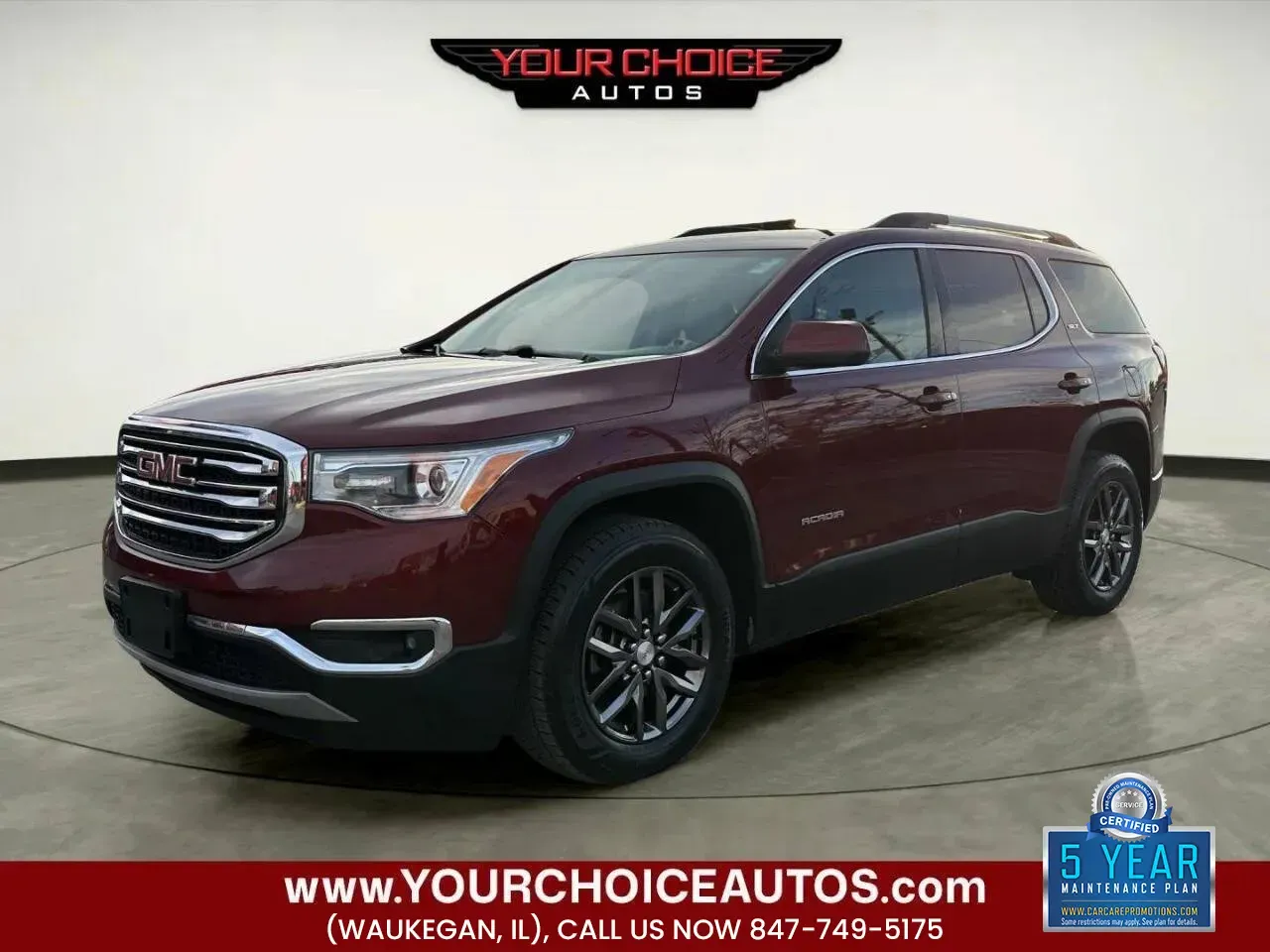

Why Rechargeable Hybrids Are the EV Game-Changer
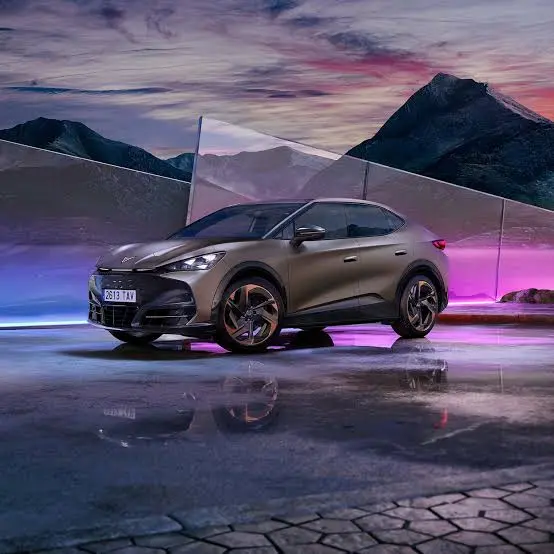
Power Up: Why Rechargeable Hybrids Are the EV Game-Changer
The automotive industry is moving toward a more fuel-efficient and environmentally conscious future, and electric vehicles are leading the conversation. However, not every driver is ready to make the complete switch to an all-electric vehicle. That's where rechargeable hybrid cars come in.
Also known as plug-in hybrid electric vehicles (PHEVs), rechargeable hybrids offer an appealing combination of electric driving and traditional gasoline power. They allow drivers to enjoy electric-only travel for shorter trips while keeping a gasoline engine available for longer journeys.
For drivers looking to reduce fuel consumption without depending entirely on public charging stations, rechargeable hybrids offer a practical middle ground.
At Your Choice Autos, we believe understanding your options is an important part of making a confident vehicle purchase. Let's explore how rechargeable hybrids work, what makes them different, and why they could be a smart investment for your next vehicle.
What Is a Rechargeable Hybrid Car?
A rechargeable hybrid car, commonly called a plug-in hybrid, combines two power sources: an electric motor powered by a rechargeable battery and a gasoline engine.
Unlike conventional hybrids, which primarily recharge their smaller batteries through regenerative braking and the gasoline engine, plug-in hybrids can be connected to an external power source. This allows their larger batteries to store enough electricity for a meaningful amount of electric-only driving.
Once the battery's electric range is used, the gasoline engine can take over or work alongside the electric motor, depending on the vehicle's design.
This combination gives drivers more flexibility than relying exclusively on either gasoline or electricity.
How Do Plug-In Hybrid Vehicles Work?
The technology behind rechargeable hybrids is designed to make everyday driving more efficient without sacrificing convenience.
Here's how the two power sources work together:
1. Electric-Only Driving
When the battery has sufficient charge, a plug-in hybrid can operate using its electric motor alone. This is particularly useful for commuting, grocery shopping, school runs, and other shorter everyday journeys.
2. Gasoline-Powered Driving
When the battery charge becomes low or additional power is needed, the gasoline engine can start automatically. Drivers can continue their journey without having to stop and search for an EV charging station.
3. Combined Power for Better Performance
Depending on the model and driving conditions, the electric motor and gasoline engine can work together to deliver responsive acceleration and efficient performance.
4. Regenerative Braking
Plug-in hybrids also use regenerative braking to recover some of the energy normally lost during braking. This energy is converted into electricity and returned to the battery.
The result is a vehicle that makes intelligent use of both electric and gasoline power.
Rechargeable Hybrids vs. Traditional Hybrids vs. Fully Electric Vehicles
Not all electrified vehicles operate in the same way. Understanding their differences can help you choose the right technology for your driving habits.
1. Traditional Hybrid Vehicles (HEVs)
Traditional hybrids combine a gasoline engine with an electric motor and a smaller battery. They recharge automatically through regenerative braking and the engine.
You don't need to plug them into an external charger. They are a convenient option for drivers who want better fuel efficiency without changing their regular refueling habits.
2. Plug-In Hybrid Vehicles (PHEVs)
Plug-in hybrids have larger batteries that can be charged using an external power source. They offer a dedicated electric-only driving range before switching to hybrid operation.
They are particularly attractive to drivers who can charge at home and want the flexibility of gasoline power for longer journeys.
3. Fully Electric Vehicles (EVs)
Fully electric vehicles operate entirely on electricity. They do not have a gasoline engine or traditional fuel tank.
Although they eliminate gasoline consumption, drivers need access to suitable charging facilities and must plan longer journeys around available charging infrastructure.
Which One Is Right for You?
If you want an electric driving experience without giving up gasoline flexibility, a plug-in hybrid could be the right balance. If you prefer not to plug in, a traditional hybrid may be more convenient. And if you want to eliminate gasoline completely, a fully electric vehicle may be worth considering.
Why Rechargeable Hybrids Are Becoming a Popular Choice
Rechargeable hybrids are gaining attention because they address some of the biggest concerns drivers have about switching to electric vehicles.
Here are the advantages that make them worth considering.
1. Reduced Dependence on Gasoline
One of the biggest benefits of a plug-in hybrid is its ability to complete shorter trips using electricity alone.
Drivers who regularly charge their vehicles and have commutes within the available electric range may significantly reduce how often they need gasoline.
Your actual savings will depend on electricity prices, gasoline costs, driving habits, and how consistently you charge the battery.
2. No Complete Dependence on Charging Stations
Range anxiety remains a concern for many people considering fully electric vehicles.
Plug-in hybrids help address this issue by retaining a gasoline engine. When electric power is unavailable or the battery charge runs low, the vehicle can continue operating using gasoline.
This makes longer road trips more convenient for drivers who don't want to plan every journey around charging stations.
3. A More Flexible Driving Experience
Rechargeable hybrids can adapt to different driving situations.
You can use electric power for shorter everyday journeys and rely on the gasoline engine when traveling farther. Some models also allow drivers to select different operating modes depending on their needs.
This flexibility makes them suitable for people with changing driving routines.
4. Lower Tailpipe Emissions During Electric Driving
When operating in electric-only mode, a plug-in hybrid produces no tailpipe emissions.
Using electricity instead of gasoline for shorter trips can help reduce local exhaust emissions. However, the overall environmental impact also depends on how the electricity is generated and how frequently the vehicle uses its gasoline engine.
5. Responsive Acceleration and Smooth Performance
Electric motors deliver instant torque, which can provide quick and smooth acceleration.
When combined with a gasoline engine, this technology can create a responsive driving experience without requiring drivers to sacrifice the familiarity of conventional vehicle operation.
Popular Rechargeable Hybrid Cars Worth Knowing About
Several manufacturers have introduced plug-in hybrid technology across different vehicle categories. Here are a few recognizable examples worth researching when comparing your options.
Toyota Prius Prime
The Toyota Prius Prime is a plug-in version of the popular Prius. It combines an efficient gasoline engine with an electric motor and offers electric-only driving for everyday trips.
It is an appealing choice for drivers who prioritize fuel efficiency and practical daily transportation.
Chrysler Pacifica Hybrid
The Chrysler Pacifica Hybrid brings plug-in technology to the minivan category. Its combination of electric driving and gasoline power makes it an interesting option for families who need additional passenger space and everyday versatility.
Ford C-Max Energi
The Ford C-Max Energi is another example of a plug-in hybrid designed for practical everyday transportation. It combines an electric motor with a gasoline engine, offering drivers the flexibility to use electric power for shorter journeys.
Jeep Wrangler 4xe
For drivers interested in an electrified SUV with off-road capabilities, the Jeep Wrangler 4xe combines plug-in hybrid technology with the Wrangler's recognizable four-wheel-drive capability.
These vehicles demonstrate how rechargeable hybrid technology can suit different lifestyles, from daily commuting to family transportation and adventure-oriented driving.
Is Buying a Used Rechargeable Hybrid a Smart Investment?
Buying a used plug-in hybrid can be an attractive way to experience electrified driving without paying the price of a brand-new vehicle.
However, purchasing a used rechargeable hybrid requires more consideration than simply comparing its mileage and asking price.
Before making a decision, pay attention to the following factors.
Check the Battery's Condition
The high-voltage battery is one of the most important components of a plug-in hybrid.
Ask about its condition, available diagnostic information, maintenance history, and any previous battery-related repairs. Battery performance can affect electric driving range, so understanding its condition is essential.
Review the Vehicle's Maintenance History
A well-maintained vehicle is generally a better purchase than one with an uncertain service history.
Review available maintenance records and ask whether the gasoline engine, electrical components, cooling systems, and hybrid-specific equipment have received appropriate servicing.
Understand the Actual Electric Range
Electric range varies considerably between models and can decrease with battery age, temperature, driving conditions, and usage.
Don't assume that an older plug-in hybrid will deliver the same electric range it offered when it was new.
Consider Your Charging Options
A plug-in hybrid makes the most sense when you have convenient access to charging.
If you can charge at home or work, you may be able to complete many everyday trips using electricity. If you rarely have access to charging, a traditional hybrid might be a more practical alternative.
Compare the Total Cost of Ownership
The purchase price is only one part of owning a vehicle.
Consider insurance, maintenance, electricity, gasoline, potential battery repairs, and any applicable warranty coverage before deciding whether a particular model fits your budget.
Who Should Consider Buying a Rechargeable Hybrid?
Rechargeable hybrids aren't necessarily the right choice for every driver. Their benefits depend heavily on how and where you drive.
They may be particularly suitable for:
- Daily Commuters: Drivers with shorter daily journeys who can regularly recharge their vehicles may benefit from using electric power for much of their routine travel.
- Families: Models such as the Chrysler Pacifica Hybrid offer the combination of family-friendly space and plug-in technology.
- Frequent Road Travelers: People who travel longer distances can appreciate having a gasoline engine available when electric charging isn't convenient.
- Fuel-Conscious Buyers: Drivers looking to reduce gasoline consumption without moving entirely to an electric vehicle may find plug-in hybrids appealing.
- Technology Enthusiasts: People interested in experiencing electric driving while retaining conventional gasoline functionality may enjoy the flexibility of a PHEV.
Explore Hybrid Vehicle Options at Your Choice Autos
Finding a vehicle that matches your lifestyle, driving requirements, and budget is just as important as understanding its technology.
At Your Choice Autos, you can explore a selection of used hybrid vehicles and compare different models before deciding which one is right for you.
Our inventory may include popular hybrid options such as Toyota Prius, Honda Accord Hybrid, Ford Fusion Hybrid, and other fuel-efficient vehicles. Plug-in hybrid availability can vary, so check current listings for the latest selection.
Whether you're interested in a conventional hybrid or want to explore rechargeable hybrid technology, our team can help you review available vehicles and understand their features.
Start exploring here: Browse Used Hybrid Vehicles at Your Choice Autos.
You can also browse our complete used car inventory to compare additional makes, models, and body styles.
Final Thoughts: Are Rechargeable Hybrids the Future of Everyday Driving?
Rechargeable hybrids represent an important step in the transition toward more efficient transportation. By combining electric-only driving with the flexibility of gasoline power, they offer a practical alternative for drivers who aren't ready to go fully electric.
Their biggest advantage is versatility. You can enjoy quieter electric driving for shorter journeys while keeping the convenience of a gasoline engine for longer trips.
However, the right choice ultimately depends on your budget, charging access, driving habits, and the condition of the vehicle you're considering.
At Your Choice Autos, exploring your options is the first step toward finding a vehicle that works for your everyday needs. Whether you choose a traditional hybrid, a plug-in hybrid, or another fuel-efficient vehicle, make your next purchase with confidence.