
What to check before buying a used car
Should You Get a Mechanic to Check Out a Second-Hand Car Before You Buy It?
Buying a used car can be an excellent way to get the vehicle you want without paying the price of a brand-new model. However, even a vehicle that looks clean, drives smoothly, and comes with an attractive price tag may have hidden mechanical problems.
A polished exterior doesn't always tell the whole story. Previous accidents, neglected maintenance, worn-out components, and developing engine or transmission problems may not be immediately noticeable during a quick test drive.
So, should you get a mechanic to check out a second-hand car before buying it?
Absolutely! Having an independent mechanic perform a pre-purchase inspection is one of the smartest steps you can take before committing to a used vehicle. It can help uncover potential problems, provide a clearer picture of the vehicle's condition, and prevent unexpected repair expenses.
At Your Choice Autos, we believe informed buyers make more confident purchasing decisions. Here's why a professional inspection matters and what you should know before buying your next used car.
1. A Mechanic Can Identify Hidden Mechanical Problems
One of the biggest risks of buying a second-hand car is overlooking problems that aren't visible during a regular walk-around.
A vehicle may look perfectly maintained on the outside while having mechanical issues underneath. Some problems only become noticeable when a trained technician examines the vehicle using professional diagnostic equipment.
An independent mechanic can inspect important components and look for signs of wear, damage, or neglected maintenance.
Some common issues include:
- Engine Problems: Oil leaks, unusual engine noises, overheating concerns, and signs of poor maintenance.
- Transmission Issues: Delayed shifting, slipping gears, unusual noises, or fluid leaks.
- Suspension Problems: Worn shocks, damaged struts, loose components, and unusual vibrations.
- Brake Wear: Worn brake pads, damaged rotors, and other braking-system concerns.
- Fluid Leaks: Signs of leaking engine oil, coolant, transmission fluid, or other essential fluids.
- Electrical Issues: Faulty sensors, damaged wiring, malfunctioning lights, or battery-related problems.
Identifying these concerns before purchasing gives you an opportunity to understand what you're getting into instead of discovering expensive repairs after taking the car home.
2. A Professional Inspection Helps You Evaluate Vehicle Safety
A used car should not only look good and perform well; it should also be safe to drive.
Certain mechanical problems can directly affect how a vehicle handles, stops, and responds in emergency situations.
For example, worn brake components can reduce braking performance, while damaged suspension parts may affect stability and handling.
A mechanic can evaluate important safety-related components, including:
- Brake pads, rotors, and brake lines.
- Steering and suspension systems.
- Tire condition and tread depth.
- Lights, signals, and other electrical components.
- Seat belts and visible airbag-system warning indicators.
- Signs of structural damage or previous collision repairs.
A professional inspection can identify concerns that might otherwise go unnoticed during a short test drive.
However, remember that an inspection provides an assessment of the vehicle's condition at a particular time. It cannot guarantee that future mechanical problems will never occur.
3. It Can Help You Avoid Unexpected Repair Expenses
A used car may appear affordable initially, but hidden mechanical problems can quickly increase its actual ownership cost.
Imagine finding a vehicle that fits your budget perfectly. Everything looks good, and the test drive feels smooth. However, a mechanic later discovers a transmission issue or significant suspension wear.
Without an inspection, you might have purchased the vehicle without knowing about the additional expenses.
A pre-purchase inspection helps you identify potential repair costs before finalizing the transaction.
For example:
Potential IssueWhy It Matters
Worn brake pads
May require replacement to maintain braking performance
Engine oil leaks
Could indicate maintenance issues or more serious problems
Transmission concerns
Repairs can be expensive depending on the underlying issue
Damaged suspension
May affect handling, stability, and ride comfort
Worn tires
Could require an additional replacement expense
Battery problems
May cause starting difficulties or electrical issues
Not every issue means you should walk away from a vehicle. Some problems are relatively minor and inexpensive to address.
The important thing is knowing what needs attention and understanding the estimated repair costs before making your decision.
4. A Mechanic's Report Can Give You More Confidence During Negotiations
Another advantage of getting a used car inspected is that the results can help you make a more informed purchasing decision.
Suppose you're interested in a vehicle, but the inspection reveals that its tires are nearing the end of their useful life and its brake pads may need replacement soon.
Having these findings documented gives you a clearer understanding of the vehicle's current condition.
Depending on the seller's policies and the nature of the findings, you may be able to:
- Discuss the estimated repair costs.
- Ask whether certain repairs can be completed before purchase.
- Request clarification about previously disclosed mechanical concerns.
- Reconsider the asking price based on the vehicle's condition.
- Decide whether the vehicle still represents good value.
Always request a written inspection report rather than relying entirely on verbal explanations.
It should identify the vehicle, describe the findings, and include estimated repair costs where possible.
5. A Vehicle History Report Is Not a Substitute for a Mechanical Inspection
Many used-car buyers rely on vehicle history reports when researching a potential purchase.
These reports can be helpful because they may provide information about previous ownership, reported accidents, mileage records, title history, and other available records.
However, they don't necessarily reveal every mechanical problem.
For example, a vehicle history report may not tell you whether:
- The transmission is developing a problem.
- The engine has an active oil leak.
- The suspension components are worn.
- The brakes need replacement.
- The battery or electrical system has a developing issue.
This is why checking the vehicle's history and having it independently inspected are two different but complementary steps.
A history report helps you understand the vehicle's recorded past, while a mechanical inspection helps evaluate its current condition.
Before purchasing, review the available vehicle history information and consider checking for outstanding safety recalls using the vehicle's VIN.
You can use the National Highway Traffic Safety Administration's recall lookup to check for open safety recalls.
6. What Should a Mechanic Check Before You Buy a Used Car?
If you decide to arrange a pre-purchase inspection, make sure the mechanic examines more than just the engine.
A comprehensive assessment should cover the vehicle's major mechanical, electrical, and safety-related systems.
Here are some important areas to include.
Engine and Transmission
The mechanic should look for fluid leaks, unusual noises, warning signs, and other potential problems.
They should also assess how the engine runs and how smoothly the transmission shifts.
Brakes and Suspension
The braking system should be checked for excessive wear, leaks, damaged components, and unusual performance.
Suspension components should also be examined for looseness, damage, and worn parts that could affect handling.
Tires and Wheels
Check tire tread depth, inflation, uneven wear, and visible damage.
Uneven tire wear can sometimes indicate alignment or suspension problems that require further investigation.
Electrical System and Battery
Modern vehicles depend on electrical systems for many important functions.
A mechanic can check battery condition, charging performance, warning lights, sensors, and other electronic components.
Undercarriage and Frame
Inspecting underneath the vehicle can reveal problems that aren't visible from the outside.
Look for rust, fluid leaks, damaged components, and signs of previous structural or collision repairs.
Computer Diagnostic Scan
Many modern vehicles store diagnostic trouble codes when certain systems detect a problem.
A professional scan can help identify current or previously recorded faults that may require further investigation.
However, a clean diagnostic scan does not guarantee that a vehicle is free from mechanical problems.
7. Should You Still Get an Inspection If the Dealership Has Already Inspected the Vehicle?
Yes, an independent inspection can still be worthwhile.
A dealership inspection and an independent pre-purchase inspection may serve different purposes.
A dealership may perform its own vehicle checks before offering a car for sale. However, having a mechanic of your choosing examine the vehicle gives you an additional perspective.
This is particularly useful if you want an independent assessment of a specific concern or simply prefer having your own technician review the vehicle.
The Federal Trade Commission also recommends considering an independent mechanical inspection, even when a used vehicle has been inspected by a dealership or is being sold with a warranty or service contract.
If you're interested in a vehicle, ask whether an independent inspection can be arranged and what options are available.
8. What If the Mechanic Finds Problems During the Inspection?
Finding problems doesn't automatically mean you should reject the vehicle.
The important thing is understanding how serious the issues are and what they could mean for your budget.
Here are three possible situations.
Minor Maintenance Issues
Examples include worn windshield wipers, an aging battery, or tires that may need replacement soon.
These issues may be manageable, depending on the overall condition and purchase price.
Repairs That Require Attention
Problems involving brakes, suspension components, fluid leaks, or other mechanical systems may require repairs before the vehicle is driven regularly.
Ask the mechanic for an estimated repair cost and determine whether the seller can address the issue or whether the purchase still makes financial sense.
Serious Mechanical or Structural Problems
Major engine or transmission damage, significant structural concerns, and serious safety-related defects deserve careful consideration.
Depending on the severity and repair costs, walking away may be the smarter decision.
A good purchasing decision isn't about finding a vehicle with absolutely no wear. It's about understanding its condition and deciding whether the price, repairs, and overall value make sense.
9. How to Choose the Right Mechanic for a Pre-Purchase Inspection
Not every inspection offers the same level of detail. Choosing a qualified professional is just as important as deciding to get the vehicle checked.
Here are some things to consider:
- Look for Experience: Choose a mechanic who regularly performs pre-purchase vehicle inspections.
- Check Certifications: Consider technicians with relevant ASE certifications and experience working on the vehicle's make and model.
- Ask What's Included: Confirm whether the inspection covers the engine, transmission, brakes, suspension, undercarriage, and diagnostic systems.
- Request a Written Report: Make sure the findings are documented clearly, including any recommended repairs.
- Ask About Additional Testing: Some concerns may require specialized diagnostics or further investigation.
- Choose an Independent Professional: An inspector who is not financially connected to the sale can provide an additional independent perspective.
Also, ask about the inspection fee and exactly what the service includes before scheduling an appointment.
10. Used Car Buying Checklist: What to Do Before Signing the Papers
Getting a mechanic involved is an important step, but it's not the only thing you should do before purchasing a second-hand vehicle.
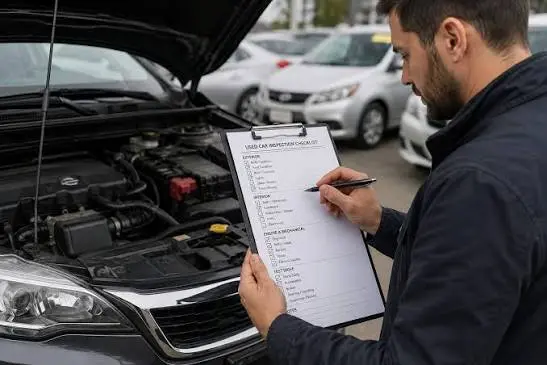
Use this checklist to help organize your research:
- Research the vehicle's make, model, and typical reliability concerns.
- Review the available vehicle history report.
- Check the VIN and confirm that it matches the vehicle's documentation.
- Look for signs of previous accident damage or poor repairs.
- Inspect the exterior, interior, tires, and visible components.
- Take the vehicle for a thorough test drive.
- Arrange an independent pre-purchase mechanical inspection.
- Review the mechanic's written report and repair estimates.
- Check for outstanding safety recalls.
- Review the Buyers Guide and understand any applicable warranty coverage.
- Confirm the total purchase price and applicable fees.
- Read the purchase documents carefully before signing.
Taking these steps can help you make a more informed decision and reduce the chances of unexpected surprises after purchasing your vehicle.
Find Your Next Used Car at Your Choice Autos
Buying a second-hand car should be an exciting experience, not a decision filled with uncertainty.
Taking the time to research a vehicle, review its history, and understand its mechanical condition can help you choose a car that suits your needs and budget.
At Your Choice Autos, you can explore a variety of pre-owned vehicles and compare different makes, models, body styles, mileage, and prices.
Whether you're searching for an everyday commuter, a family-friendly SUV, a fuel-efficient hybrid, or a practical pickup truck, exploring the available inventory is a great place to begin.
We encourage buyers to review vehicle details, ask questions about a vehicle's condition, and understand the available purchase information before making a decision.
Ready to find your next vehicle?
- Browse All Used Cars for Sale at Your Choice Autos
- Explore Used SUVs
- Browse Used Trucks
- Explore Used Hybrid Vehicles
Explore the available inventory and find a vehicle that matches your driving needs and budget.
Final Verdict: Is a Mechanic's Inspection Worth It Before Buying a Used Car?
Yes. Having an independent mechanic inspect a second-hand car before purchasing it is one of the most practical ways to protect yourself from unexpected mechanical problems.
A professional inspection can uncover hidden issues, identify safety concerns, estimate potential repair expenses, and give you a better understanding of the vehicle's overall condition.
Even if a vehicle looks excellent and performs well during a test drive, it's worth taking the extra step to have it checked by someone who understands its mechanical systems.
Remember, the goal isn't simply to find the cheapest used car. It's to find a vehicle that offers the right combination of condition, reliability, features, and value.
At Your Choice Autos, we encourage informed vehicle shopping. Do your research, ask the right questions, and take the necessary steps to make your next used-car purchase with confidence.