
Cold weather car problems-Your Choice Autos-IL
Table of Contents
Why Cold Weather Can Make Your Car Hard to Control
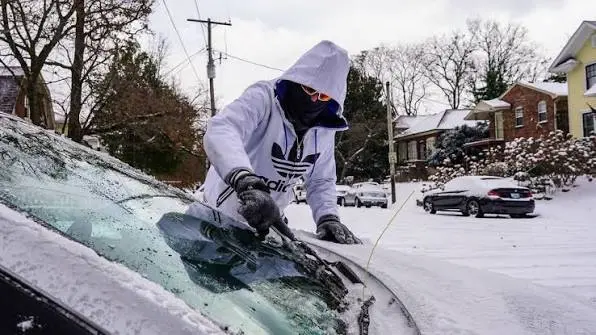
Driving during colder months can be more challenging than many drivers realize. A vehicle that feels perfectly stable on dry pavement may respond differently when temperatures drop, roads become icy, or tire pressure decreases. Even experienced drivers can notice changes in steering, braking, and overall vehicle handling during winter.
But why does cold weather make your car harder to control?
The answer involves several factors, including reduced tire pressure, decreased road traction, colder tires, battery performance, and slippery road surfaces. These conditions can affect how your vehicle accelerates, turns, and stops.
Understanding these changes can help you prepare your vehicle for winter, avoid unnecessary risks, and maintain better control behind the wheel.
At Your Choice Autos, we believe understanding vehicle maintenance is just as important as choosing the right car. Here's what every driver should know about cold-weather driving and vehicle control.
1. Cold Temperatures Cause Tire Pressure to Drop
One of the most common reasons a car becomes harder to control in cold weather is declining tire pressure.
Air contracts as temperatures decrease, causing the pressure inside your tires to drop. As a general guideline, tire pressure can decrease by approximately 1 PSI for every 10°F drop in temperature.
For example, tires that were properly inflated during warmer weather may become underinflated when temperatures fall significantly.
Underinflated tires can affect several aspects of vehicle performance:
- Reduced Handling: Your vehicle may feel less responsive when turning or changing lanes.
- Increased Rolling Resistance: Underinflated tires create additional resistance, which can affect fuel economy.
- Uneven Tire Wear: Incorrect pressure can cause tires to wear unevenly and require replacement sooner.
- Reduced Stability: Improper tire pressure can negatively affect how your vehicle responds during sudden maneuvers.
How to Maintain Proper Tire Pressure
Check your tire pressure regularly, especially when temperatures begin to drop.
Always follow the manufacturer's recommended PSI, which is usually displayed on the driver's side doorjamb or in the owner's manual. Check tire pressure when the tires are cold for the most accurate reading.
Avoid using the maximum pressure printed on the tire sidewall as your inflation target. That number represents the tire's maximum permitted pressure, not necessarily the recommended pressure for your vehicle.
2. Cold Weather Reduces Tire Traction
Tire traction is essential for maintaining control of your vehicle. It allows your tires to grip the road when accelerating, braking, and turning.
During colder months, road surfaces can become slippery because of snow, ice, freezing rain, and moisture. Even when a road looks clear, certain areas may contain thin layers of ice that are difficult to see.
When tire traction decreases, your vehicle may:
- Slide while turning.
- Take longer to stop.
- Lose grip during acceleration.
- Become difficult to steer on icy surfaces.
Tire condition also matters. Worn-out tread provides less grip, making winter driving particularly challenging.
Why Tire Condition Matters in Winter
Your tires are the only parts of your vehicle that maintain direct contact with the road. If their tread is worn or their pressure is incorrect, maintaining control becomes more difficult.
Consider checking your tire tread before winter arrives. Depending on your driving conditions, properly selected winter tires may also provide improved grip compared with standard tires.
3. Snow and Ice Increase Stopping Distances
One of the biggest dangers of winter driving is the increased distance required to bring your vehicle to a complete stop.
On dry pavement, tires generally have better grip, allowing the braking system to slow the vehicle more effectively.
On icy or snow-covered roads, that grip decreases significantly. Even when your brakes are functioning correctly, your vehicle may continue sliding because the tires cannot maintain sufficient traction.
This can make ordinary driving situations more dangerous, especially when approaching intersections, traffic signals, or vehicles ahead.
How to Brake Safely in Cold Weather
To reduce the risk of losing control:
- Slow down before reaching intersections and curves.
- Maintain a greater following distance.
- Avoid sudden or aggressive braking.
- Apply smooth, controlled pressure to the brake pedal.
- Avoid cruise control on slippery roads.
If your vehicle has an anti-lock braking system (ABS), apply firm, continuous pressure to the brake pedal during emergency braking. Do not pump the brakes.
Remember, even advanced braking technology cannot eliminate the risks associated with slippery road conditions.
4. Cold Weather Can Affect Steering and Suspension
Your vehicle's steering and suspension systems help maintain stability and keep the tires properly connected to the road.
However, colder temperatures can affect certain components, including rubber bushings, seals, and other suspension parts.
If these components are already worn or damaged, winter conditions may make existing handling problems more noticeable.
You might experience:
- Stiff or unusual steering responses.
- Increased vibration while driving.
- Unusual noises when driving over bumps.
- Uneven tire wear.
- A vehicle that pulls to one side.
These symptoms should not automatically be blamed on cold weather. They may indicate an underlying mechanical issue that requires inspection.
Why Suspension Maintenance Matters
A properly functioning suspension system helps your vehicle maintain stability, particularly when traveling over uneven or slippery surfaces.
If your car feels unusually unstable, pulls to one side, or produces unfamiliar noises, consider having the steering, suspension, wheel alignment, and tires inspected by a qualified mechanic.
5. Cold Weather Can Reduce Battery Performance
Many drivers associate battery problems with vehicles that refuse to start on freezing mornings. However, colder temperatures can affect more than just starting performance.
A traditional car battery becomes less effective in cold weather, while engines may require additional power to start because engine oil becomes thicker.
This combination can place additional strain on an aging or weakened battery.
Some warning signs include:
- Slow engine cranking.
- Dim headlights.
- Difficulty starting the vehicle.
- Battery warning lights.
- Electrical components behaving inconsistently.
Although battery performance does not directly determine tire traction, electrical issues can affect important vehicle systems and overall reliability.
How to Protect Your Car Battery
Before winter arrives, have your battery and charging system tested.
Check for corrosion around battery terminals, inspect electrical connections, and replace an aging battery when necessary.
Taking these steps can help prevent unexpected starting problems during colder weather.
6. Cold Weather Can Affect Your Vehicle's Braking Performance
Your braking system is designed to operate under a wide range of conditions, but winter introduces additional challenges.
Moisture, snow, ice, and road salt can affect braking components. Ice on the road can also make it difficult for tires to maintain the grip necessary for effective stopping.
If your vehicle has worn brake pads, damaged rotors, or other existing brake problems, these issues should be addressed before winter driving conditions become more severe.
Signs Your Brakes Need Attention
Pay attention to these warning signs:
- Squealing or grinding noises.
- Vibrations when braking.
- A soft or unusually firm brake pedal.
- The vehicle pulling to one side while braking.
- Longer stopping distances than usual.
If you notice any of these symptoms, have your braking system inspected rather than waiting for the problem to become worse.
7. Reduced Visibility Makes Winter Driving More Difficult
Cold weather can also affect how well you see the road and how quickly you respond to changing traffic conditions.
Snowfall, fog, frost, freezing rain, and shorter daylight hours can reduce visibility. Your ability to recognize hazards may be limited, making it harder to react in time.
Dirty windshields, worn wiper blades, and weak headlights can make the situation even more challenging.
Improve Visibility Before Driving
Before heading out, make sure you:
- Clear snow and ice from all windows and mirrors.
- Check that headlights and brake lights are working.
- Replace worn windshield wiper blades.
- Keep your windshield washer reservoir filled with winter-rated fluid.
- Test your front and rear defrosters.
Never drive with only a small section of your windshield cleared. Make sure you have a clear view in every direction.
8. How to Keep Your Car Under Control During Winter
Preparing your vehicle is important, but your driving habits also play a major role in winter safety.
Even a well-maintained car can lose traction when driven aggressively on icy or snow-covered roads.
Here are some practical ways to maintain better control:
Drive at a Reduced Speed
Speed limits are designed for normal driving conditions. When roads become slippery, reduce your speed according to visibility, traffic, and road conditions.
Accelerate Gently
Sudden acceleration can cause your tires to spin, particularly on snow and ice. Apply gradual pressure to the accelerator to maintain traction.
Avoid Sudden Steering Movements
Sharp turns and abrupt lane changes can cause your vehicle to lose grip. Make smooth, controlled steering adjustments.
Increase Following Distance
Leave additional space between your vehicle and the one ahead. This gives you more time to react if traffic slows down unexpectedly.
Avoid Driving Through Severe Conditions
If roads are covered in ice or visibility is extremely poor, consider postponing nonessential travel until conditions improve.
Keep an Emergency Kit in Your Vehicle
A winter emergency kit should include:
- Ice scraper and snow brush.
- Flashlight and extra batteries.
- Jumper cables.
- First-aid kit.
- Warm blankets.
- Bottled water and nonperishable snacks.
- Phone charger.
- Basic emergency supplies.
Being prepared can make an unexpected winter breakdown much easier to manage.
9. Winter Vehicle Maintenance Checklist
Preparing your car for cold weather doesn't have to be complicated. A few regular inspections can help identify problems before they affect your driving experience.
Use this checklist before the colder months arrive:
- Check tire pressure and adjust it to the manufacturer's recommendations.
- Inspect tire tread depth and look for uneven wear.
- Examine the battery and charging system.
- Check brake pads, rotors, and brake fluid.
- Inspect steering and suspension components.
- Test headlights, brake lights, and turn signals.
- Replace worn windshield wiper blades.
- Check coolant levels and antifreeze protection.
- Make sure your windshield washer fluid is suitable for freezing temperatures.
- Check for any dashboard warning lights or unusual vehicle behavior.
Regular maintenance helps keep your vehicle dependable and better prepared for changing weather conditions.
Is Your Car Ready for Winter? Choose the Right Vehicle at Your Choice Autos
A vehicle's condition plays an important role in how safely and confidently it handles changing weather conditions.
Whether you're considering a sedan, SUV, crossover, or pickup truck, it's important to look beyond appearance and focus on essential features such as tire condition, braking performance, steering, suspension, and overall mechanical condition.
At Your Choice Autos, you can explore a variety of used vehicles and compare different makes and models based on your preferences and driving requirements.
If you're looking for a vehicle that suits your everyday needs, start by exploring our available inventory.
Browse Your Options:
Remember, no vehicle is immune to slippery roads. Even an SUV with all-wheel drive needs properly maintained tires and careful driving to handle winter conditions safely.
Final Thoughts: Don't Let Cold Weather Catch You Off Guard
Cold weather can make driving more challenging by reducing tire pressure, decreasing road traction, increasing stopping distances, and affecting important vehicle components.
The good news is that many winter-related driving problems can be managed through regular maintenance and responsible driving habits.
Check your tires, inspect your brakes, maintain your battery, and make sure your vehicle is prepared before temperatures begin to drop.
At Your Choice Autos, we encourage every driver to make vehicle safety a priority. A well-maintained vehicle and careful driving habits can make a significant difference when winter weather arrives.